
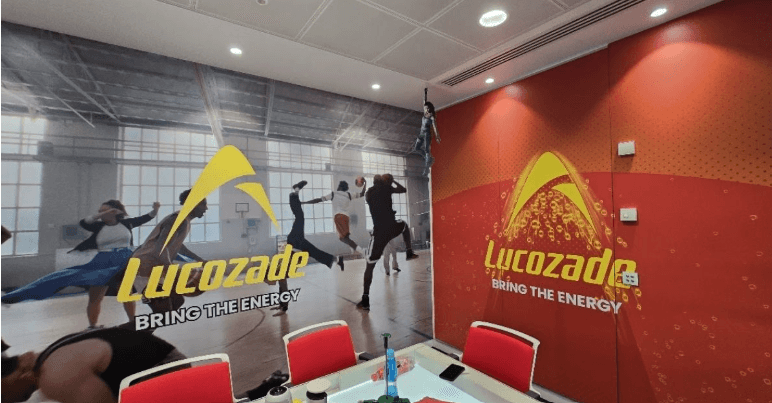
A mismatched office sends the wrong signal before anyone says a word. A visitor walks in, clocks the outdated signage or the tired color scheme, and quietly downgrades their opinion of the business, even if they never mention it out loud. Meanwhile the company has spent months on a new logo, new messaging, a sharper market position, none of which shows up anywhere in the room they’re standing in.
Staff notice too, day after day, in ways that are hard to put into words but easy to feel. Most people assume the fix means tearing out walls, hiring contractors, and shutting down for weeks. It doesn’t have to. Signage, color, materials, and a handful of structural touches can change how an office feels and functions, no wall demolition required.
Why Offices Fall Behind Their Brand
Businesses evolve faster than their physical spaces. A company might update its logo, refine its messaging, or pivot its market positioning, yet the office still carries the visual identity from five or ten years ago. Visitors and employees notice the gap even if they can’t name it. Old signage, mismatched color schemes, outdated finishes, and blank walls that could easily carry personalised wall stickers all send a quiet signal that the business hasn’t kept pace with itself.
The mismatch matters more than it seems. Clients form impressions the moment they walk through the door. Employees take cues from their surroundings about how much care the company puts into its own image. A workspace that lags behind the brand can undercut the very message a business is trying to send everywhere else.
How to Rebrand Your Office Without Renovating
None of this requires a construction crew or a closed-door sign. The following changes work on their own or together, and most can be completed in days rather than months.
1. Start With Signage
Exterior and interior signage carries outsized brand weight for the space it occupies. Updated reception signage, wayfinding, and window graphics, including vinyl prints on glass and doorways, transform how a space reads within a single day. Digital displays add flexibility, letting a business rotate messaging or showcase achievements without reprinting anything physical. A feature wall behind the front desk with dimensional lettering often carries more impact than an entire renovated floor.
2. Update Color and Finishes
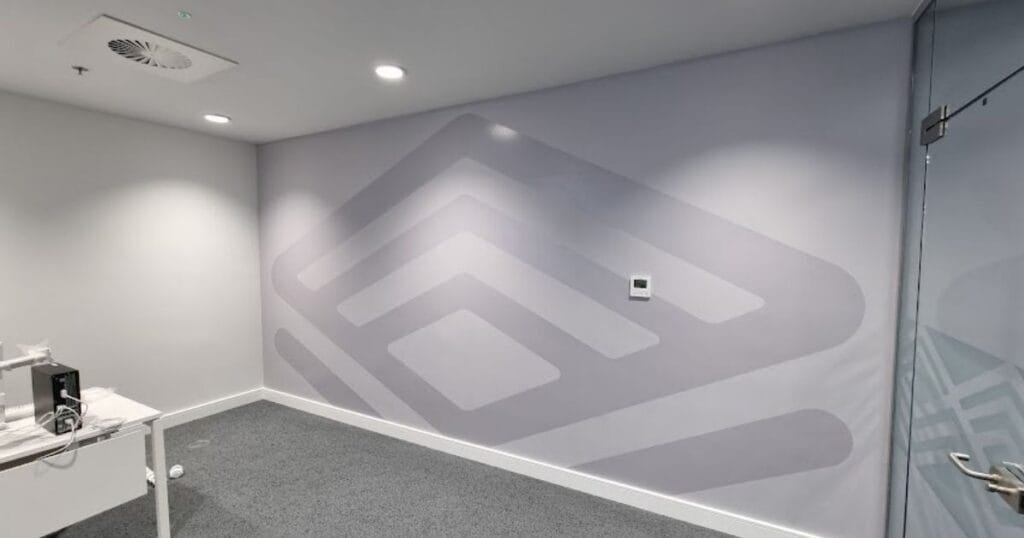
Paint remains the most cost-effective brand refresh tool available. Repainting walls in brand-aligned colors or adding an accent wall can recalibrate a room’s personality in a weekend. Vinyl wraps and window decals for business extend this onto glass partitions and doors. Furniture doesn’t need replacing either; reupholstering chairs or swapping textiles brings cohesion, while branded rugs and floor graphics add color at scale without any demolition.
3. Change the Lighting
Lighting shapes how a space feels more than most people realize. Swapping harsh fluorescent fixtures for warmer, layered lighting softens an office considerably. Adding pendant lights over key areas or under-cabinet lighting in break rooms gives a space a more polished feel. Accent lighting near branded wall art draws focus naturally. None of this requires rewiring beyond a standard fixture swap.
4. Use the Walls to Tell the Brand Story
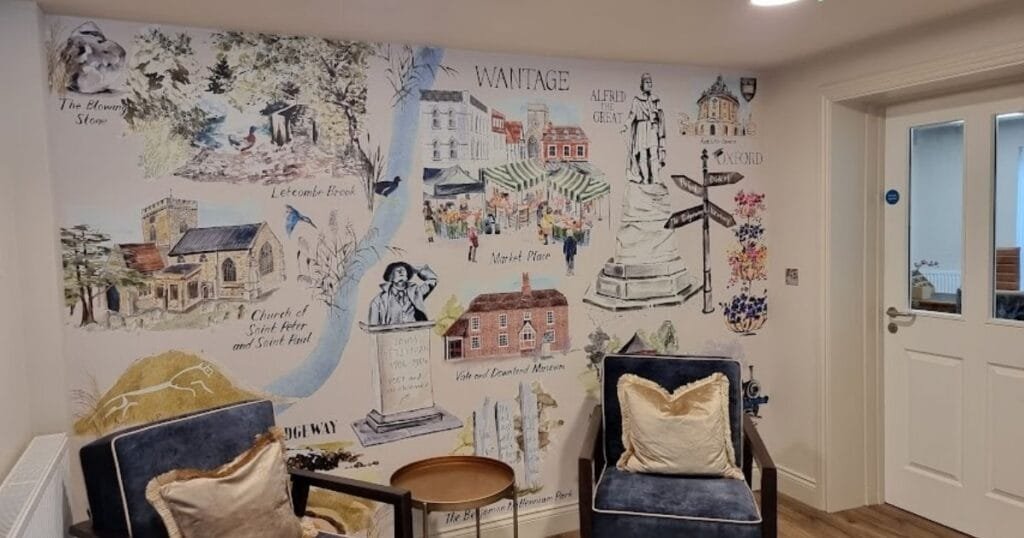
Blank walls are an underused opportunity in most offices. Large-format graphics, company timelines, and photography reflecting brand values turn hallways into storytelling spaces. This reinforces identity for employees daily while giving clients something memorable to reference. Removable wall coverings and printed wallpaper now offer real texture and depth, installing and removing cleanly for businesses in leased spaces.
5. Add Small Structural Touches
A rebrand without renovation doesn’t mean avoiding every physical change. Swapping door hardware, updating reception desks, or installing modular partition systems introduces meaningful visual shifts while staying well short of a full renovation timeline. These changes execute faster and budget easier than construction-heavy projects, while still delivering a noticeably different environment for clients and staff alike.
Bringing the Whole Space Together
The businesses that succeed at rebranding without renovating usually start with a clear plan rather than piecemeal changes. Mapping out signage, color, lighting, and furniture updates as a single coordinated project produces a far more cohesive result than tackling each element separately over time. A phased approach also lets a business spread costs across a longer timeline while still working toward one unified vision.
Renovation will always have its place for businesses that need to change layouts or fix structural issues. But for a company whose primary goal is aligning its physical space with its current identity, the tools already exist to get there without a construction crew. Signage, color, lighting, and thoughtful details can carry a rebrand a long way on their own.