
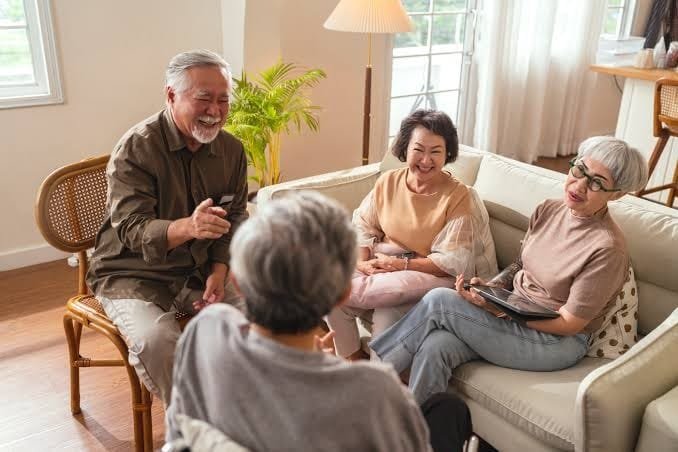
Aging reshapes your social world fast. Retirement hits, a move happens, health shifts — and the relationships that once gave daily life its structure quietly dissolve. Isolation creeps in. Often faster than anyone expects. And it’s not just a loneliness problem — it cuts far deeper than that. Purpose, mental sharpness, a support network you can actually lean on: all of it depends on genuine human connection in ways that no amount of solo couch time can replace. The gap between an engaged retirement and a hollow one is often, simply, community.
Understanding Why Community Matters for Seniors
The numbers don’t lie. Social isolation among older adults ties directly to depression, accelerated cognitive decline, elevated mortality. Not minor footnotes — serious, documented risks. Yet seniors who stay actively connected tend to see measurable improvements in physical health outcomes, with self-reported satisfaction rising right alongside. Community gives retirement a skeleton. Reasons to show up somewhere. To be expected. To matter to somebody. Older adults who participate regularly in group settings often rediscover a sense of contribution they assumed they’d left behind at their last desk. And the bonds formed through shared routine? They surface during hard moments and easy ones both. Time that might otherwise drift becomes something genuinely worth having.
Exploring Local Senior Centers and Recreation Programs
Senior centers exist precisely for this. Not an afterthought — built around older adults’ actual interests and physical realities. Classes, fitness programs, social events, educational workshops. Many arrange transportation, which matters enormously for those who’ve stopped driving. Honestly, though? The programming is almost beside the point. Showing up regularly creates conversational openings that wouldn’t exist otherwise. Staff at these centers know how to fold newcomers in rather than leaving them hovering near the edges. Coffee with a neighbor. A card game. Something new to try. Low pressure. Real access.
Volunteering as a Path to Purpose and Connection
Here’s what volunteering does that most activities simply can’t: it restores a sense of usefulness. Tutoring kids, mentoring young professionals, stocking shelves at a food bank, helping at an animal shelter — all of it places seniors alongside people who share their values. It also broadens social circles across generations, which matters more than it sounds. Regular volunteer commitments rebuild something retirement tends to strip away. Routine. A standing shift, a predictable schedule — without employment pressure, but with its structure intact. Fellow volunteers become familiar faces, then acquaintances, then actual friends. Gradually. Almost without trying.
Joining Interest-Based Groups and Clubs
Shared passion is a shortcut to friendship. Book clubs, gardening groups, hiking clubs, art classes, hobby circles — these pull together people who already have something genuine in common before anyone’s spoken a word. Conversations don’t need forcing. Most communities offer several options within almost any interest category, meeting at libraries, parks, community centers, or local restaurants. Some organize outings. New members tend to feel welcome quickly because the group already has its own rhythm. For older adults navigating a change in living situation, Assisted Living in Greensboro, NC provides built-in opportunities for residents to participate in organized interest groups, social programming, and community activities that make building new friendships far more accessible.
Utilizing Faith Communities and Spiritual Organizations
Congregations have anchored social life for older adults across generations. It’s never just the services — it’s the small group meetings, community projects, social hours afterward, educational programs tucked into Tuesday evenings. Many faith communities build dedicated programming specifically for senior members. Long-time attendees often find their deepest connections there. But newcomers rarely get left standing alone; these organizations tend toward intentional welcome. The values-based foundation creates a particular kind of trust. For someone who’s relocated or lost their social footing, a faith community frequently offers the most direct invitation to simply show up and belong.
Embracing Technology and Online Communities
Geography and mobility don’t have to be walls. Online communities built around specific hobbies, local neighborhoods, or senior interests let people participate meaningfully from their own living rooms. Video call groups, virtual classes, online book clubs — none of these are consolation prizes. For seniors with transportation challenges or health limitations, they’re genuinely valuable. Sometimes an online connection eventually becomes an in-person one. Technology doesn’t replace face-to-face interaction; it clears obstacles to it. A mix of digital and in-person involvement creates something layered and resilient — more entry points, more touchpoints, more chances for real connection to actually take hold.
Conclusion
Building community as a senior takes deliberate effort. It won’t happen by accident. But the return is enormous — richer days, stronger health, real friendships, a retirement chapter that actually feels worth living. Senior centers, volunteer work, interest-based clubs, faith communities, online platforms — the pathways are genuinely varied. No single option fits everyone. Start with one activity. Get comfortable. Then expand. Community builds slowly — and then, somehow, all at once.