

Explore the different types of wild Betta fish found in natural freshwater habitats. Learn about their appearance, behavior, and living conditions in a clear, easy-to-read guide.
Wild Betta fish differ significantly from the ornamental varieties commonly seen in home aquariums. These fish inhabit freshwater environments such as streams, forest pools, and slow-moving rivers. Their appearance and behavior reflect survival rather than display. Many wild bettas display muted colors, compact fins, and cautious movements shaped by their natural surroundings. Learning about the main types of wild Betta fish provides insight into how these species live, interact, and adapt in nature.
Betta Splendens Group
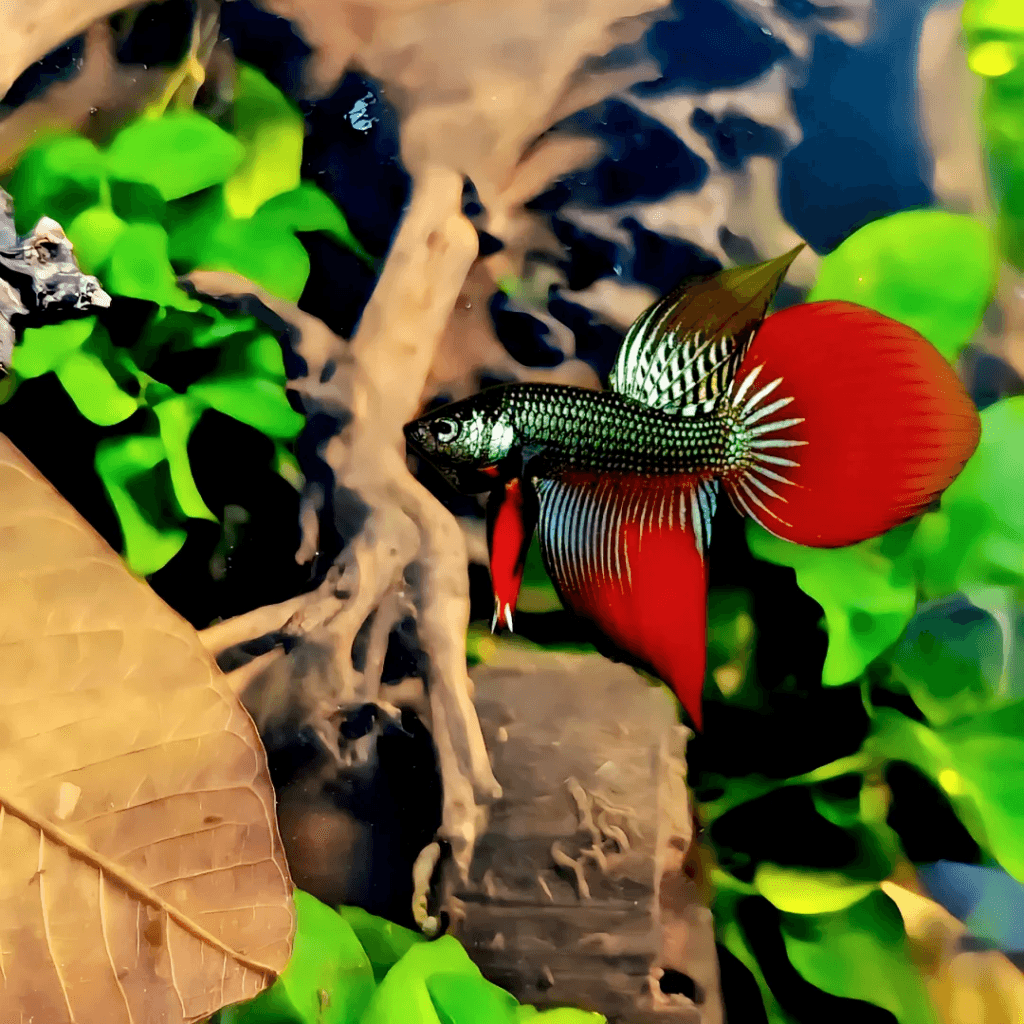
The Betta splendens group includes several wild species closely related to the domesticated Betta splendens. Wild members of this group show shorter fins and earth-toned colors such as brown, green, and soft red. They inhabit shallow waters with dense vegetation, where subdued coloring helps them blend with their environment.
Males continue to display territorial behavior, although their displays are less dramatic than those seen in domesticated strains. Interactions focus on posture and positioning rather than prolonged aggression. This group forms the foundation from which many captive-bred bettas originated.
Betta Imbellis
Betta imbellis is often regarded as one of the calmer wild betta species. Its name reflects a less confrontational temperament compared with other species. The body shows dark tones with subtle iridescent markings that become visible under certain lighting conditions.
This species lives in slow-moving streams and shaded waters. Males guard territory during breeding periods, but interactions remain restrained. Betta imbellis attracts aquarists seeking a natural-looking fish with balanced behavior and subdued movement.
Betta Smaragdina
Betta smaragdina is recognised for its fine green or blue scales that catch the light with subtle flashes. Its body remains slim, with fins kept close during movement. This species occupies rice paddies, canals, and seasonal waters that change throughout the year.
Adaptability plays a key role in its survival. During dry periods, these fish tolerate shallow water conditions with reduced oxygen, reflecting the resilience common among wild Betta species.
Betta Mahachaiensis
Betta mahachaiensis is native to areas where freshwater meets slightly brackish water, such as coastal swamps and estuaries. Its body often displays dark green, blue, or metallic tones that blend with submerged vegetation and murky waters. The fins are moderately sized, allowing agile movement in narrow waterways filled with roots and debris.
Males remain territorial during breeding, but their displays are restrained compared with those of ornamental bettas. This species has adapted to variable water conditions, tolerating changes in salinity and oxygen levels, which allows it to survive in challenging environments.
Betta Pugnax
Betta pugnax is among the larger wild bettas, with a robust body and strong swimming ability. Found in streams and rivers across Southeast Asia, its coloration ranges from brown to dark green, providing camouflage among rocks and leaf litter.
This species relies on bursts of speed to catch prey or avoid predators. Its compact fins reduce the risk of damage in fast-flowing or cluttered waters. Territorial behavior is primarily for feeding and breeding rather than long displays, reflecting its natural survival instincts.
Betta Albimarginata
Betta albimarginata stands out for its distinctive white-edged fins, which contrast subtly with a darker body. This species prefers blackwater streams with dense leaf litter and slow-moving currents.
The white edges serve as signals during mating while still providing camouflage. Males build bubble nests to protect eggs, a behavior common to many wild bettas. Observing this species shows territorial and breeding behaviors that are efficient yet restrained.
Betta Macrostoma
Betta macrostoma, sometimes called the “brilliant mouth betta,” is a rare wild species recognized for its large mouth and elongated fins. It inhabits calm forest streams with abundant cover. Its fins, while longer than those of many wild species, remain smaller than those of domesticated show bettas.
Males defend breeding sites rather than territory broadly, and their feeding focuses on insects and small invertebrates near the water’s surface. This strategy reflects the adaptations needed to survive in natural stream habitats.
Habitats and Survival Strategies
Wild Betta fish occupy diverse freshwater environments, including rice paddies, swamps, slow streams, and shallow pools. Each species adapts its body shape, coloration, and behavior to its surroundings. Shorter fins, muted colors, and cautious movements protect them from predators, while territorial instincts secure access to food and breeding areas.
Many species tolerate temporary low-oxygen conditions, shallow waters, or slightly brackish environments. Camouflage allows them to blend with vegetation, mud, or leaf litter. Bubble nesting is a common strategy, enabling males to protect eggs in flowing waters that could otherwise sweep them away.
Observing Wild Bettas
Observing wild bettas in aquariums designed to resemble natural habitats provides insight into their behavior. Fish in well-planted tanks with calm water display natural swimming patterns, foraging behavior, and breeding rituals. Unlike ornamental bettas, wild types move deliberately, conserve energy, and interact cautiously with other fish.
Watching these behaviors allows aquarists to appreciate the original traits of bettas and understand the differences between wild and domesticated forms.
Conclusion
Wild Betta fish display remarkable variety in form, color, and behavior, shaped by natural environments. From the calm Betta imbellis to the resilient Betta mahachaiensis, each species demonstrates adaptations that support survival in streams, swamps, and rice paddies. Their shorter fins, subtle coloring, and measured movements reflect a balance between beauty and practicality. Learning about wild bettas enhances understanding of both the natural world and the domesticated varieties commonly kept in aquariums, highlighting the diversity within this freshwater fish group.
Read More –
How Ashwagandha Capsules, Himalaya Shilajit and Stress Relief Tablets Fight Stress?
How Can Magnesium Supplements and Curcumin Tablets Help You Sleep Well Naturally?