
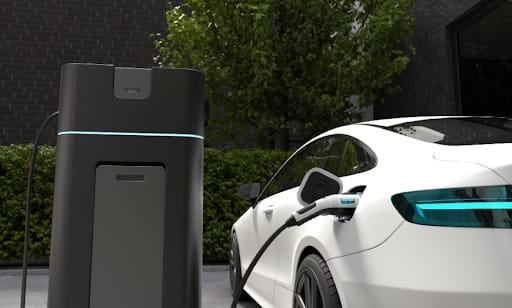
Keep your electric vehicle efficient, safe and long-lasting with our expert EV maintenance guide. Learn essential tips for battery care, software updates and more!
The Rise of Electric Vehicles
The popularity of electric vehicles (EVs) has grown rapidly in recent years. Technological advances, environmental concerns, and government incentives are encouraging more people to switch to sustainable transportation. With charging infrastructure expanding across cities and highways, owning an EV has become more practical for everyday use. As this trend continues, understanding how to properly maintain your EV is essential for keeping it running efficiently and safely.
Why Optimal EV Maintenance Matters
Maintaining an EV properly is key to ensuring long-term performance and avoiding costly repairs. Unlike traditional vehicles, EVs rely on batteries and electrical components that require specific care. Regular maintenance, including battery checks, software updates, tyre inspections and drivetrain evaluations, helps prevent issues, improve energy efficiency, and extend the vehicle’s lifespan. Proper care also enhances safety and ensures a smooth driving experience.
Electric vehicles differ significantly from traditional petrol-powered cars. EVs rely on electric motors powered by rechargeable batteries, offering instant torque and a quieter, cleaner ride. They have fewer moving parts, which generally reduces mechanical failures, but certain components—like the battery, inverter and thermal systems—require specialised attention. Knowing the key components of your EV helps owners understand why maintenance is different from conventional vehicles.
For drivers exploring modern electric vehicle options and maintenance considerations, further information can be found at https://denza.sg/.
Key Components of an EV
The main parts of an EV include the high-voltage battery pack, electric motor, regenerative braking system, inverter and thermal management system. The battery stores energy, the motor powers the wheels, and the regenerative braking system recovers energy during deceleration. The inverter converts DC battery power into AC for the motor and thermal systems keep the battery and electronics at safe operating temperatures. Each component needs proper care to ensure the vehicle performs optimally.
How EVs Differ from Gas-Powered Cars
EVs are powered by electricity instead of gasoline, which changes maintenance needs. Gas vehicles require frequent oil changes, fuel system checks and exhaust system care. In contrast, EVs need monitoring of battery health, cooling systems, and software updates. Understanding these differences helps owners focus on the right maintenance practices for longevity and efficiency.
What Optimal EV Maintenance Means
Optimal maintenance is the combination of regular inspections, preventative care and timely repairs to keep a vehicle performing at its best. For EVs, this includes monitoring battery performance, updating onboard software, checking electrical systems and inspecting tyres and suspension components. Following a structured maintenance schedule reduces the likelihood of unexpected issues and extends the life of your vehicle.
Essential Tips for Battery Care
Battery health is the most critical factor in an EV’s performance. Avoid letting your battery fully drain regularly, as deep discharges can reduce its lifespan. Similarly, try not to keep the battery at 100% charge for extended periods. Moderate charging—typically between 20% and 80%—helps maintain capacity over time. Using fast chargers occasionally is fine, but frequent high-speed charging can generate heat that may degrade battery life.
Regular Software Updates
EVs rely heavily on software to manage battery usage, motor performance and driver-assist features. Regular software updates can improve efficiency, fix bugs and even extend battery life. Most EV manufacturers provide over-the-air updates, making it easier for owners to stay current without visiting a service centre. Keeping software up to date ensures your vehicle runs smoothly and benefits from the latest enhancements.
Tire and Brake Maintenance
Tire health is essential for safety and energy efficiency. EVs are often heavier than gas cars due to their batteries, so maintaining proper tyre pressure is critical. Underinflated tyres reduce efficiency and wear out faster, while overinflated tyres can affect handling. Regenerative braking in EVs reduces wear on traditional brake components, but brakes still require inspection to ensure proper function.
Cooling and Thermal System Checks
EV batteries and electronics generate heat during operation. Thermal management systems prevent overheating and maintain optimal performance. Regularly inspect coolant levels, fans and heat exchangers to ensure proper operation. Proper thermal care prevents battery degradation and protects expensive electrical components from damage.
Storing an EV Properly
If you plan to store your EV for a long period, maintain the battery at around 50% charge, park in a dry, cool environment, and ensure tyres are properly inflated. Disconnecting high-voltage systems is typically unnecessary but may be recommended by certain manufacturers for extended storage. Proper storage prevents battery deterioration and ensures your EV is ready to use when needed.
Upgrading and Maintaining Older EVs
Older EV models can benefit from software updates, battery refurbishments or component replacements. Updating the battery management system, installing new thermal management components or upgrading onboard electronics can extend an older EV’s lifespan. Professional inspections are recommended to identify areas for improvement and ensure upgrades are safe and effective.
Common EV Maintenance Mistakes to Avoid
Many owners make simple mistakes that can reduce efficiency or damage their EV. Frequent full charges, ignoring warning alerts, skipping tyre checks or neglecting software updates can cause problems over time. Avoiding these errors, following manufacturer guidelines and scheduling regular professional inspections help maintain optimal performance.
The Importance of Professional Inspections
While owners can perform basic checks, professional inspections are vital for safety and longevity. Technicians can detect hidden issues in the battery, drivetrain or electrical system before they become serious. Annual or semi-annual professional checkups ensure compliance with warranty requirements, maintain efficiency and prevent costly repairs in the future.
Environmental Benefits of Proper EV Maintenance
Properly maintained EVs not only perform better but also have a lower environmental impact. Efficient energy usage reduces electricity consumption, while prolonged battery life decreases the frequency of replacements. By taking care of your EV, you contribute to sustainability and minimise your vehicle’s carbon footprint.
Conclusion: Maintaining Your EV for Longevity and Efficiency
Optimal EV maintenance involves proactive battery care, regular software updates, tyre and brake inspections and professional checkups. Following these practices helps keep your vehicle efficient, safe and long-lasting. Whether you own a new EV or an older model, adhering to maintenance schedules, avoiding common mistakes and keeping components in top condition ensures a smoother driving experience and protects your investment. By understanding the unique needs of electric vehicles, you can enjoy reliable performance while contributing to a more sustainable future.
Read More –
Discover Affordable Gin Options in Singapore – Quality Gin at Great Prices
Shop High-Quality, Affordable Modular Double Deck Beds for Children – Stylish & Budget-Friendly Options