
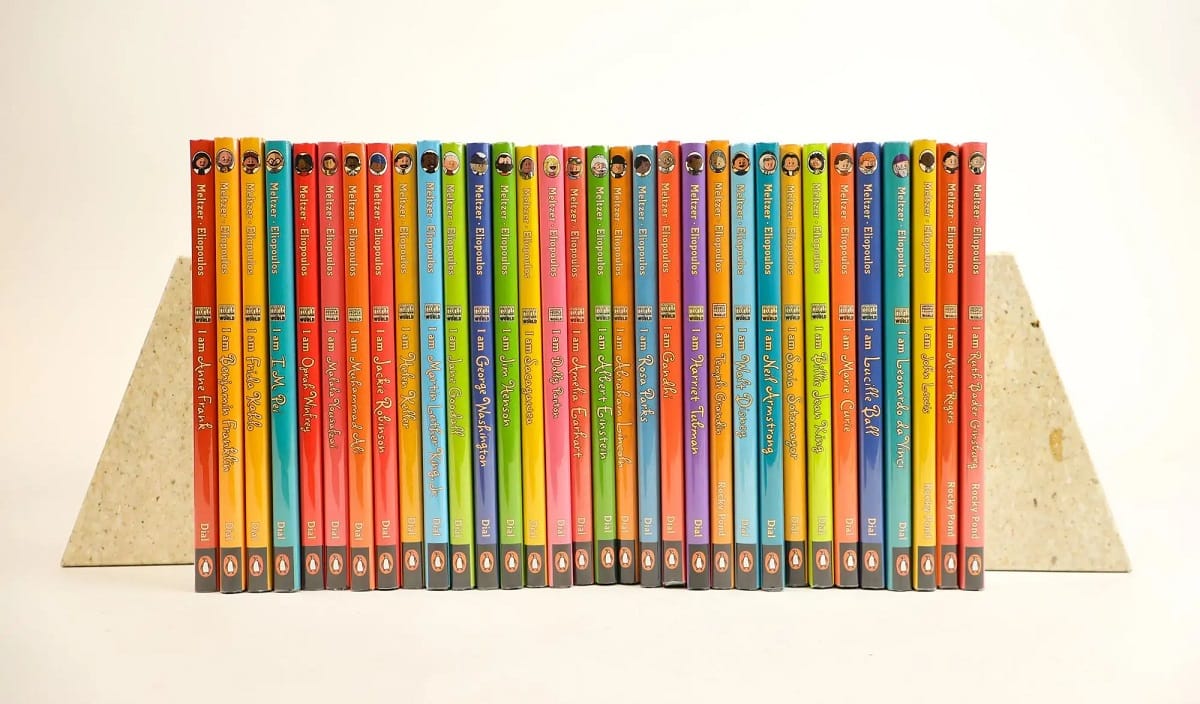
Biographies used to feel distant. They told stories of world leaders, inventors, or artists whose lives seemed larger than life. People born into rare circumstances or gifted with extraordinary opportunities. For a long time, the message between the lines felt clear: greatness belonged to a select few.
That idea no longer holds.
Today, some of the most compelling life stories belong to people who started with nothing more than curiosity, persistence, and access to the internet. Entrepreneurs, creators, educators, freelancers, and community builders are shaping meaningful careers and identities in ways that would have been impossible just a generation ago. Their biographies are not defined by titles alone, but by adaptability, creativity, and the courage to experiment.
This shift has quietly transformed what success looks like and how people write their own stories.
The Rise of the Self-Made Digital Identity
In the past, identity was often tied to institutions. Your school, your employer, or your family name played a defining role in how others perceived you. Today, individuals increasingly shape their own public narrative. A personal website, a portfolio, a newsletter, or even a thoughtfully curated social media presence can introduce you to the world before a résumé ever does.
This is especially true for people building careers outside traditional paths. Freelancers, startup founders, artists, and consultants often don’t wait for validation from established systems. Instead, they begin by telling their story themselves. What they do, why they do it, and who they serve.
Take a freelance designer who leaves a corporate job to work independently. At first, there’s uncertainty. No big brand name attached. No guaranteed paycheck. But by consistently sharing work, explaining their process, and showing up online, they slowly build credibility. Over time, that story becomes part of their professional biography. Someone who took a risk, refined their craft, and built trust through real work.
Tools Don’t Create Stories, People Do
It’s tempting to credit technology for every modern success story. While tools certainly help, they don’t replace the human element. What they do offer is leverage.
Consider a small business owner launching a side project after work hours. They don’t have a design team or a marketing department. Still, they need to look professional from day one. Instead of delaying the launch for months, they might use an AI logo generator to create a clean visual identity that reflects their values. The logo itself isn’t the story, but it removes a barrier and allows the real story to move forward.
This pattern repeats across industries. Writers publish newsletters without waiting for publishers. Educators reach global audiences without classrooms. Creators experiment, fail, pivot, and try again, often publicly. These decisions shape biographies in real time.
Everyday Courage Behind Modern Success
When we read biographies today, the most interesting parts are rarely about overnight success. They’re about the moments in between. The doubts, the wrong turns, and the quiet persistence.
A startup founder might talk openly about a failed first idea that taught them what customers actually needed. A content creator may describe years of posting to an audience of ten before anything gained traction. A career switcher could share how uncomfortable it felt to start over in their thirties or forties.
These stories resonate because they mirror real life. Most people don’t wake up knowing exactly who they’ll become. They figure it out through action.
What’s changed is that these journeys are no longer hidden. Blogs, podcasts, interviews, and social platforms have turned personal growth into something shareable. In doing so, they’ve redefined what a biography can be. Not a polished highlight reel, but an honest narrative of becoming.
Writing Your Own Chapter, One Decision at a Time
You don’t need to be famous to have a meaningful biography. Every life is shaped by decisions, and many of those decisions happen quietly. Choosing to learn a new skill. Saying yes to an opportunity that feels intimidating. Saying no to something that no longer fits.
For readers navigating their own paths, this perspective can be empowering. Instead of comparing yourself to people at the peak of their careers, it helps to look at how they started. Most began exactly where you are now. Uncertain, learning, and willing to try.
If there’s a practical takeaway here, it’s this. Progress doesn’t require perfection. It requires momentum.
That might mean publishing something imperfect. Reaching out to someone you admire. Testing an idea without knowing how it will end. These actions don’t just build careers. They build stories worth telling.
Biographies Are No Longer Written at the End
Traditionally, biographies were written after a life was mostly complete. Today, they’re unfolding in public. LinkedIn profiles update. Personal websites evolve. New chapters are added in real time.
This can feel overwhelming, but it’s also freeing. You’re not locked into a single identity. You’re allowed to change your mind. Many modern biographies include multiple careers, reinventions, and unexpected turns.
And that’s okay.
In fact, it’s often those pivots that make a story compelling. A person who stayed curious. Who adapted. Who learned from setbacks instead of hiding them.
Conclusion: Your Story Is Already in Motion
You don’t need a bestselling book or a Wikipedia page for your life to matter. Every meaningful biography starts with small, intentional steps taken by an ordinary person.
Whether you’re building a business, changing careers, or simply trying to grow into a better version of yourself, remember this. Your story is being written right now. The tools, platforms, and opportunities available today make it easier than ever to share that story, but the heart of it will always be human.
Stay curious. Keep building. And don’t underestimate how powerful your journey might look to someone reading it one day.
Inside the Mind of a Captain: The Hidden Decisions That Define T20 Success